Shaping the Future - a focus on our environment team
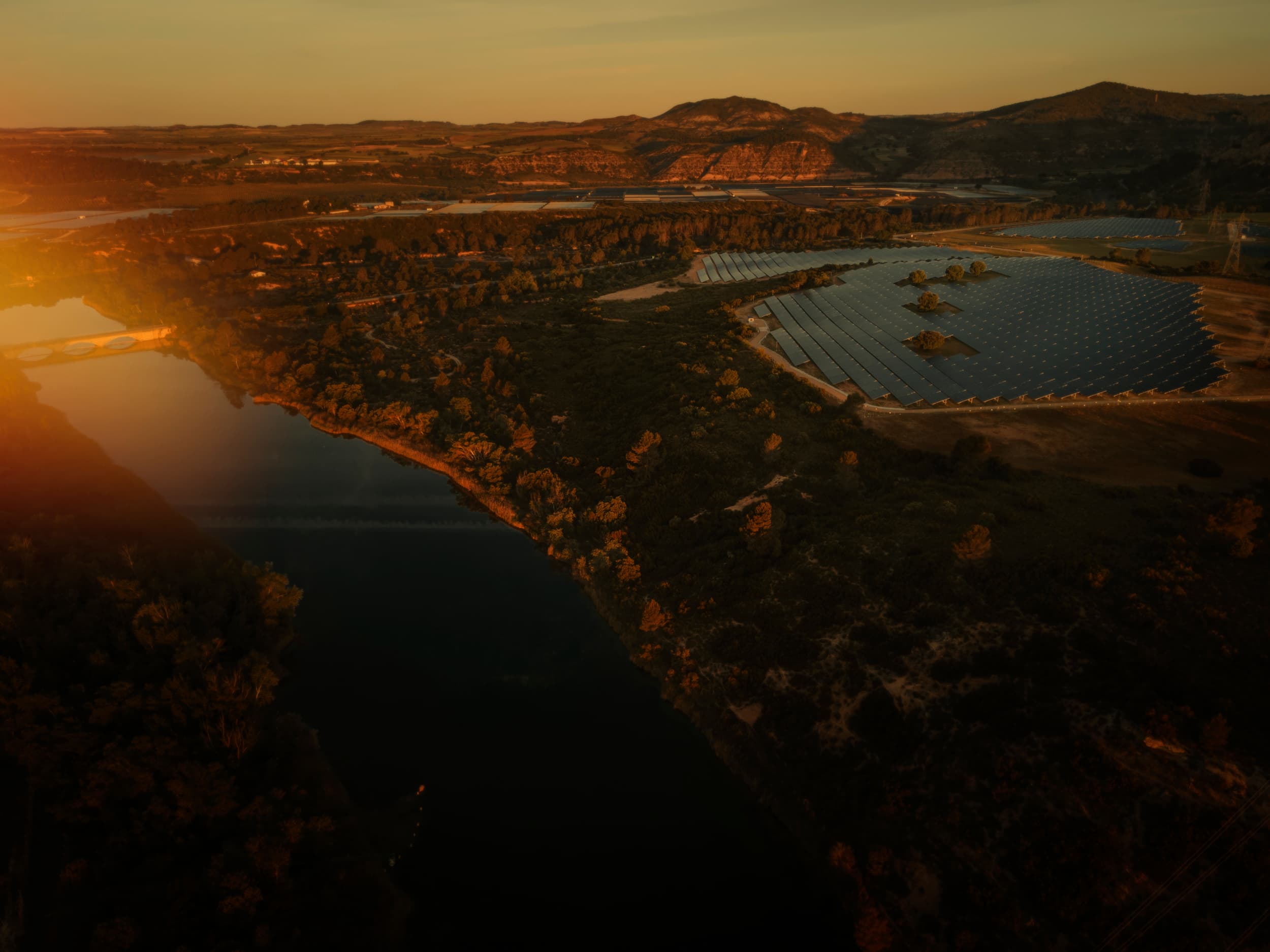
The land where we build clean energy solutions matters. So do the communities, ecosystems and species that will live alongside these projects for decades. Responsible development means treating environmental considerations as fundamental to a project’s success from the very beginning. In the latest edition of Shaping the Future, we look at what environmental stewardship means in practice: biodiversity net gain in Castilla-La Mancha, 260 relocated carob trees in Sicily, reclaimed coal land in Indiana transformed into a solar facility and pollinator habitat, and more.
Clean energy changes landscapes. It is our job to ensure we improve them.
For your decarbonization goals to truly be met, the land that clean energy solutions are built on needs to be sensitively managed. How projects are financed, permitted and valued by communities depends on it.
At Zelestra, this means that every project improves the land, water and biodiversity around it. We mean what we say. The outcome is carefully measured, tracked from first site assessment and through decades of operation.
In this edition of Shaping the Future, we explore what our commitment looks like in practice: the leaders who set the standard, the teams who uphold it every day, and the projects proving it works.
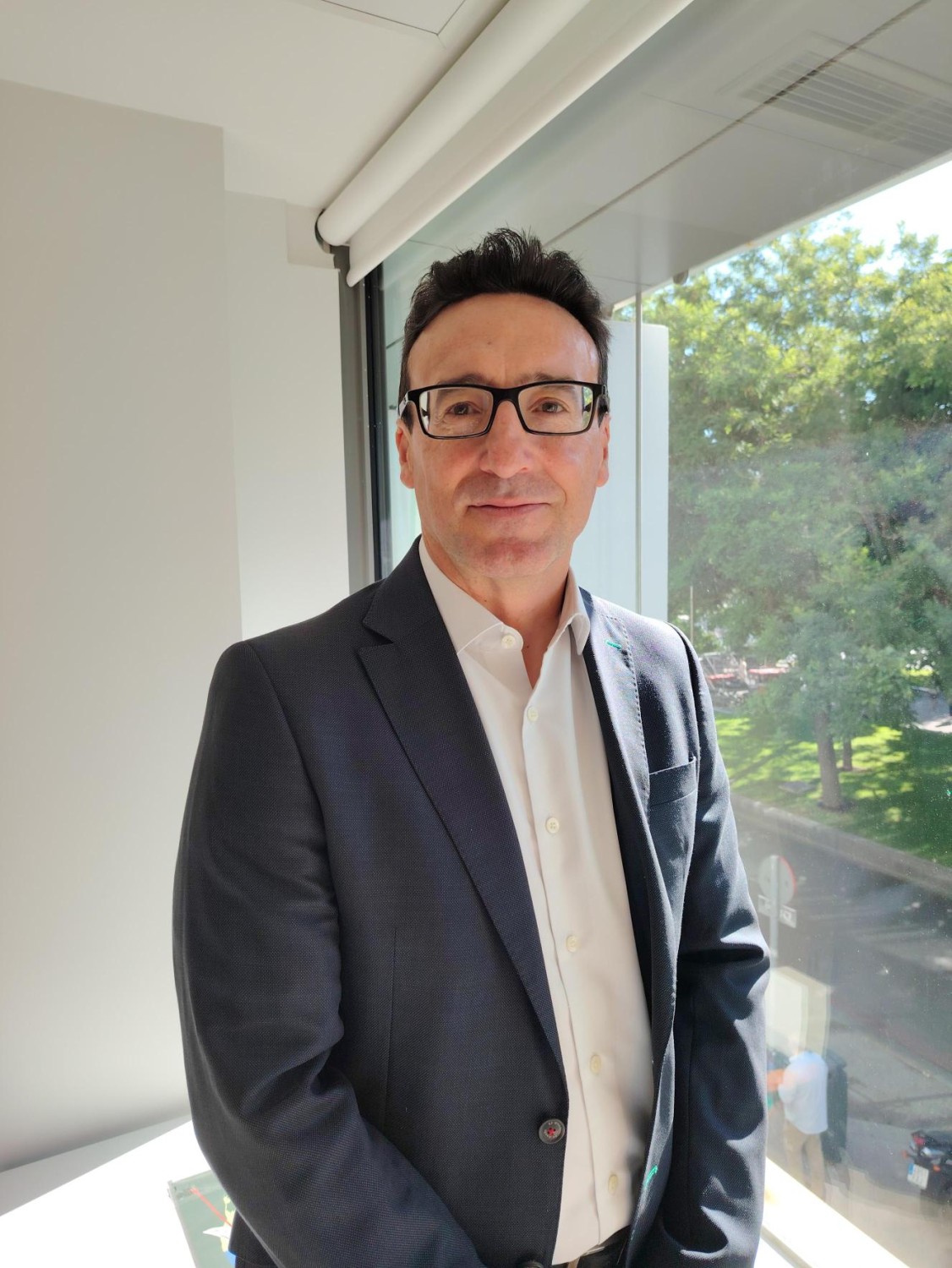
In conversation with Fernando Estebaranz , Environmental Associate Director, Zelestra
"Environmental thinking is not a layer we add to our work. It is the foundation we build it on."
Fernando Estebaranz leads Zelestra’s environmental function globally, overseeing the standards, teams, and programmes that ensure every project we build meets the highest bar for environmental responsibility.
What does environmental responsibility mean at Zelestra and how has that definition evolved as the business has grown?
Environmental responsibility, for Zelestra, is a genuine development, design, construction and operation principle. It is not about compliance - it is a standard we set for ourselves.
As we have scaled across multiple geographies and asset types, we continue to evolve. It is not good enough to simply ask “are we compliant?”. We ask, “are we genuinely leaving this land better than we found it?” That shift changes everything, from how we select sites to how we manage soil and biodiversity through decades of operation. The environment is not a constraint on development. It is a condition of its success.
Investors and finance institutions now expect to see environmental data backed with the same rigour as financial data. Communities expect demonstration, not just claims. And our own site teams hold us to a standard no external audit can replace.
Zelestra operates in Spain, Italy, Germany and US. How do you maintain consistent environmental standards when every market, every ecosystem, every regulatory framework is different?
There is no simple answer, and I would not pretend otherwise.
What we are building separates principles from procedures. Biodiversity net gain, responsible resource management, community integration, transparent reporting: non-negotiable everywhere. But how we deliver them must be locally calibrated. An ecological corridor in Castilla-La Mancha is not designed the same way as a habitat program in Texas or a restoration plan in Sicily.
We invest heavily in local expertise. Our coordinators in each country are specialists who know the ecosystems and regulators they work with.
My role is to hold the ambition consistent. When teams own environmental work as part of their identity rather than an external imposition, the framework actually works.
Clients and investors are asking for environmental data alongside energy data. What does that mean for the way Zelestra reports on environmental performance?
It means building a different data infrastructure and a different mindset about what counts as a credible metric.
Digitalization and integrated tools give us operational control and data transparency. We work continuously with suppliers to adapt and implement these into our projects.
Energy data has decades of standardized measurement behind it. Environmental data does not. We are making deliberate choices about indicators: area under biodiversity management, ecological corridors implemented, species richness at monitored sites. Specific enough to be impactful. Aggregable enough to report at portfolio level.
We are also transparent about uncertainty. A biodiversity indicator in year one tells you far less than the same one in year ten. That honesty builds more trust than overpromising.
Environmental performance will be financed and regulated with the same rigor as energy performance. We intend to be ahead of that curve.
What is the programme or initiative you are most proud of in Zelestra’s environmental work right now?
The transformation of our environmental function is what I am most proud of. A few years ago it was a compliance unit inside HSEQ. Today it is a function with its own identity, contributing real value across every business unit and every project. That took leadership commitment and a team that brings genuine expertise and drive to their work every day.
On the program side, our biodiversity strategy stands out. We work with administrations, communities and local partners to develop projects that create real, lasting environmental value. Net positive impact, not just net zero harm.
We are also building our own emission reduction plans across construction and operating assets, and developing circularity strategies that put what we already do in our projects into a coherent long-term framework.
Where do you want Zelestra’s environmental programme to be in five years?
We are continuously improving processes to stay at the forefront of the sector.
The environmental function will continue to shape where and how we develop from the earliest land assessment.
Biodiversity net gain, decarbonization and circularity will continue to be critical factors across our entire portfolio. We will introduce even more informed monitoring at every site and improve the data infrastructure to report results in a meaningful way.
It is my aim to see Zelestra recognized as a company that demonstrates what best practice looks like and raises the bar for others, setting expectations and leading the way on all fronts.
The energy transition will be judged by what it does to the land, the water and the communities it touches. We are building to be on the right side of that judgment.
And we have the team to get there.
"A solar plant operates for decades. So does our commitment to the land and communities around it."

What responsible operations look like from the inside
Numbers and frameworks only go so far. The real story of Zelestra’s environmental commitment plays out at site level in the daily decisions of the people who manage our plants and maintain the land around them.
Noelia Sánchez González , Brand & Communications Specialist, visited our José Cabrera solar plant to find out more. She sees how the plant’s environmental programme connects to the broader community and to Zelestra’s values and she shares that perspective in her own words.
José Cabrera is one of Zelestra’s flagship projects in Spain. It is a living example of the 3 E’s framework where environmental commitment is a daily practice, shaped by people who know and respect the landscape they work within.
Delivering on our environmental commitment across Spain, Italy, and the U.S.
Every market brings its own ecological context, regulatory framework, and community landscape. These three projects show what Zelestra’s environmental principles look like in practice — each one different, each one shaped by the same core commitment.
Spain
European Roller Conservation Project — Guadalajara, Spain
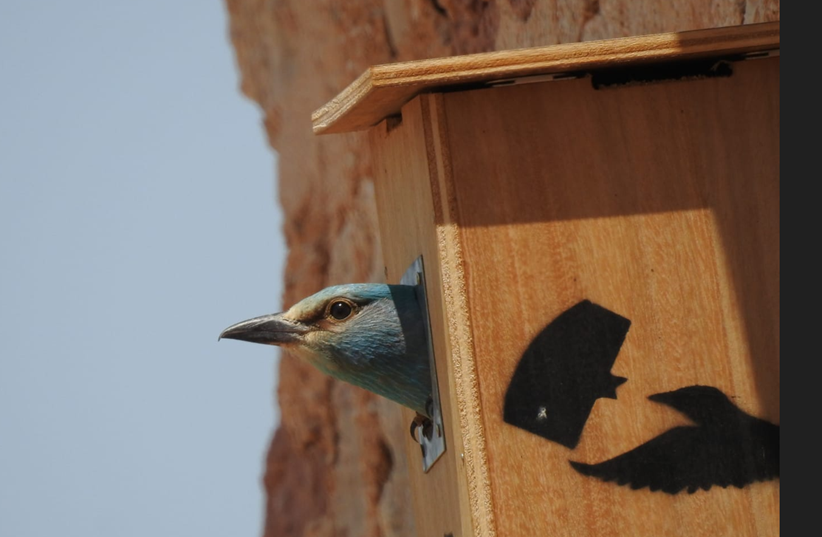
The European roller (Coracias garrulus) is one of the most striking birds in the Iberian Peninsula. In the steppe landscapes of Guadalajara, it is also under pressure. Habitat loss is shrinking the open ecosystems it depends on.
Zelestra is working with local administrations and conservation partners on a habitat improvement project for the species. Nest boxes, habitat expansion, improved land quality. Practical actions with measurable outcomes.
Clean energy and conservation do not have to compete. At Guadalajara, they are advancing together.
Italy
260 carob trees successfully relocated and monitored - Sicily, Italy
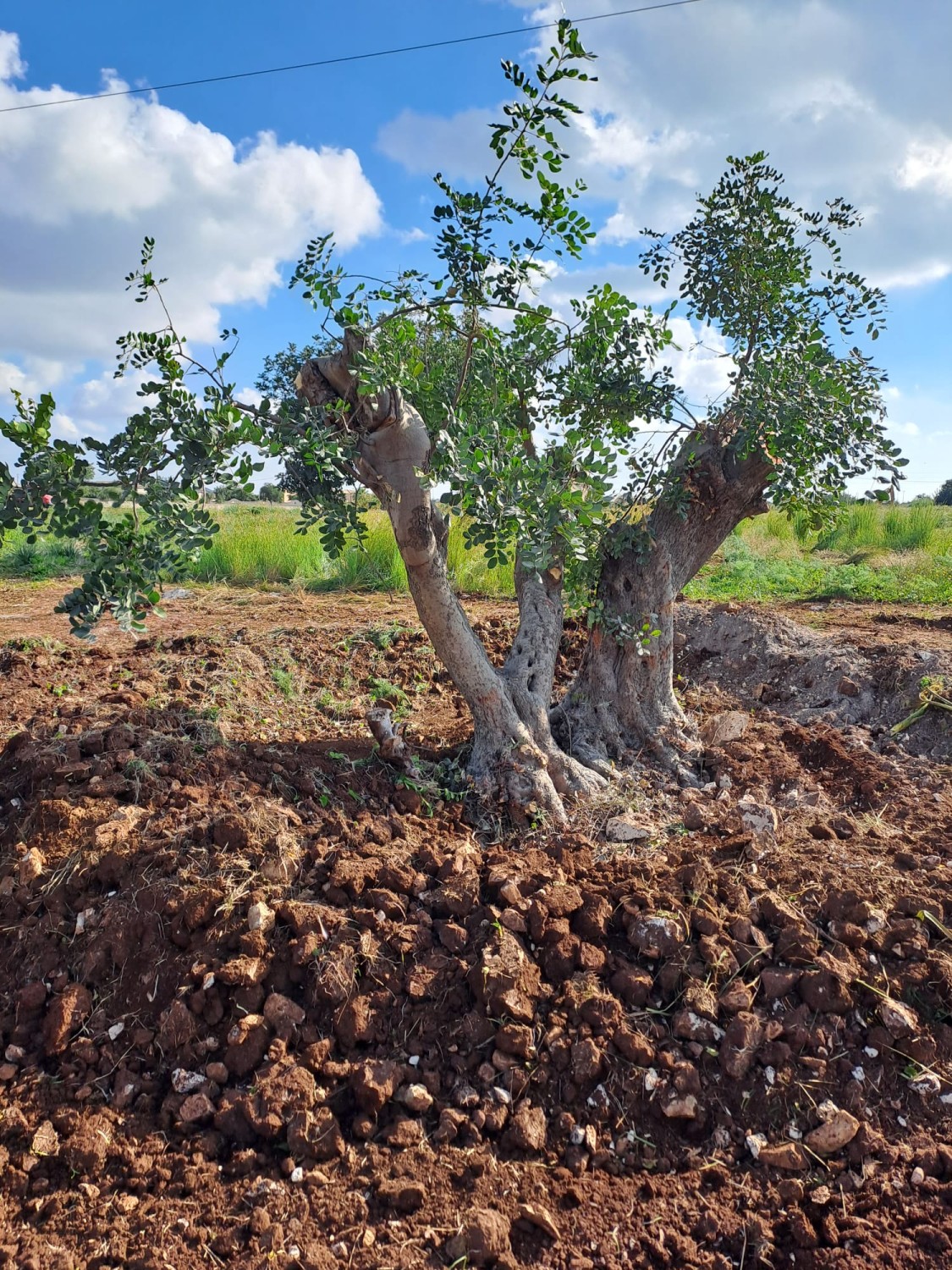
At our Bellomo agrivoltaic site in Sicily, 260 carob trees (Ceratonia siliqua), cultivated across the Mediterranean for over 4,000 years, stood along the perimeter of the plant. We relocated every single one of them.
It is not the easy option. It requires planning, skilled horticultural work and sustained commitment. Every tree is monitored and irrigated. Any that does not take root is replaced.
New shoots on the relocated trees are the confirmation. The carob tree is landscape, history and Mediterranean identity. It will keep growing alongside the panels generating clean energy for the future.
USA
Reclamation solar — Gibson County, Indiana, USA
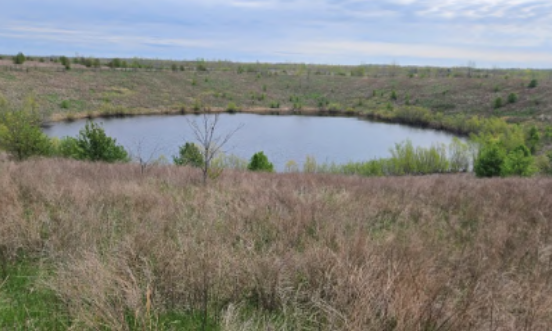
A surface coal mine in Gibson County, Indiana closed in 2019, leaving 128 workers without jobs and 1,900 acres sitting idle. That land is now becoming a large-scale solar facility. Same county. Same landscape. A different fuel.
Zelestra’s project is the first substantial reinvestment in that land in years.
76+ acres of wetlands preserved, plus 7,000+ linear feet of streams and 9 acres of pollinator habitat
A formal Soil Management Plan addresses decades of legacy mining conditions. Tree clearing restrictions protect the Indiana bat and northern long-eared bat in line with US Fish and Wildlife Service guidelines. Nine acres of native wildflower habitat support monarch butterflies and native bees.
The community is ready for the next chapter. So is the land.

Meet the environmental team
Zelestra’s environmental commitment is only as strong as the people who carry it out every day. We spoke with two members of the environmental team about their roles, their work, and what drives them.
José Vela Rajado — Environmental Coordinator Spain
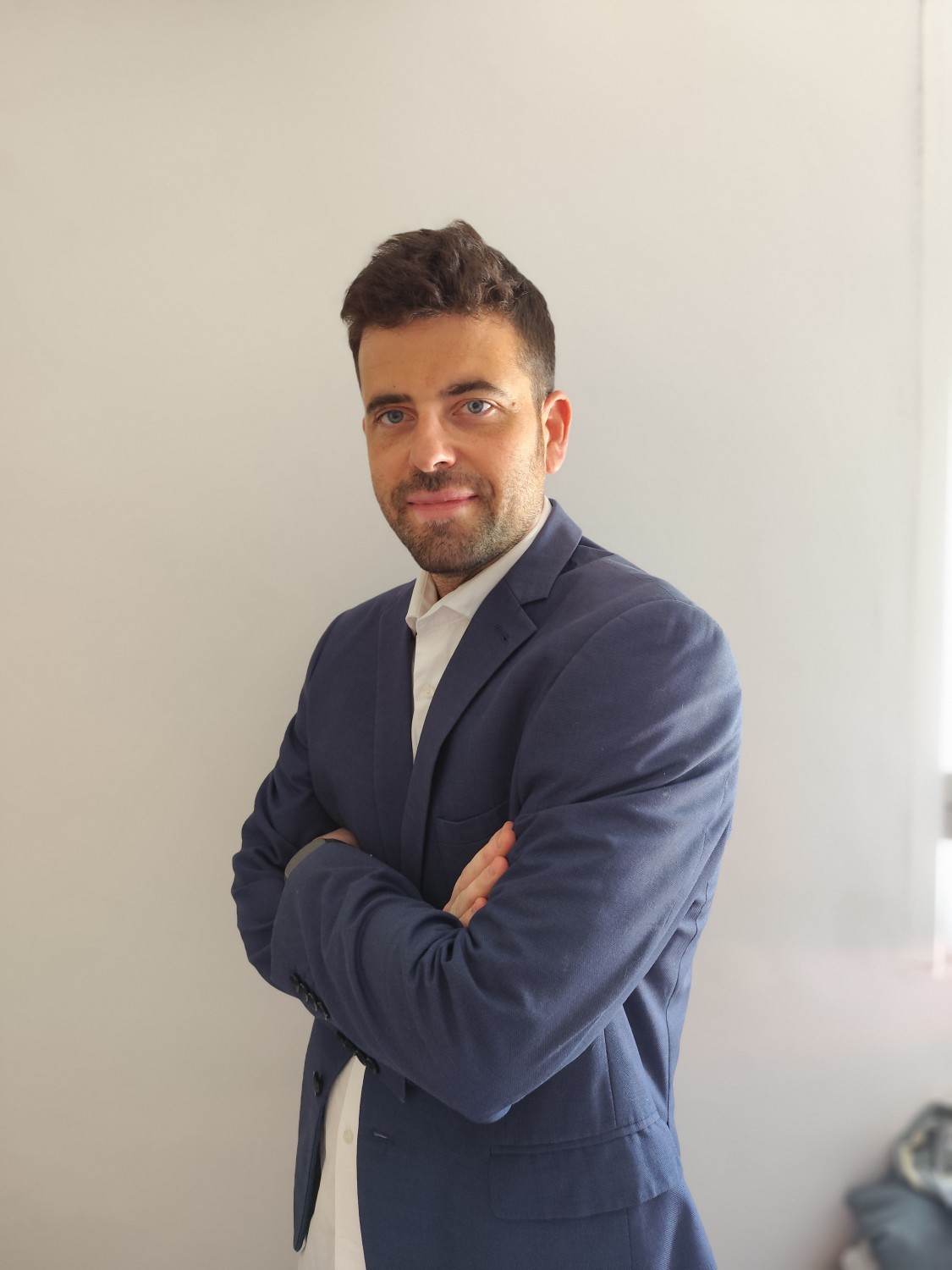
Tell us about your role as Environmental Coordinator at Zelestra. What does a typical week look like?
My role spans the full project lifecycle: environmental assessments, permitting, biodiversity management, compliance monitoring and stakeholder engagement. The goal is always the same: develop and operate responsibly, with a real positive impact on the communities around us.
No two weeks look the same. Some days are spent reviewing studies with consultants and authorities. Others are on-site, monitoring conditions or engaging with local communities. I also work on internal sustainability initiatives and awareness programs that keep our environmental culture alive across the business.
What I enjoy most is that combination of technical rigor and real-world impact. Renewable energy is not only about clean power. It is about protecting ecosystems and building lasting trust with communities.
What does Zelestra’s 3 E’s framework mean in practice for the communities you work with?
The 3 E’s framework Environment, Education, and Economy helps translate sustainability into practical actions that communities can genuinely benefit from.
On the environmental side, it means minimizing impacts, protecting biodiversity and managing resources responsibly. Renewable energy development and environmental stewardship move together.
On education, we support school activities, workshops and engagement programs that build awareness about sustainability, especially with younger generations.
The economic pillar is about local impact: employment, local suppliers, regional development. Communities should feel part of the transition and see real benefits from it.
Together, the three pillars give us a balanced lens: sustainability as environmental protection, social progress and economic opportunity at once.
What excites you most about where Zelestra’s environmental programme is heading?
I’m especially encouraged by the growing focus on how environment is integrated into the full life cycle of projects, growing in influence within the business, which is exactly where it should be.
I especially enjoy working with plant managers to integrate environmental thinking into daily operations: risk prevention, efficiency and positive impact on the ecosystems around our sites, not just within the fence line.
I’m very encouraged by the growing focus on biodiversity, circular economy initiatives, and community engagement. There is also a stronger awareness that renewable energy projects should create long-term environmental and social value, not only clean electricity.
Another exciting aspect is the opportunity to drive innovation whether through new approaches to habitat restoration, better environmental monitoring tools, or initiatives that reduce waste and plastic pollution. It’s motivating to be part of a company that is continuously looking for ways to improve and contribute positively to the energy transition.
Sandra Liebanas Bellon —Environmental Coordinator EPC
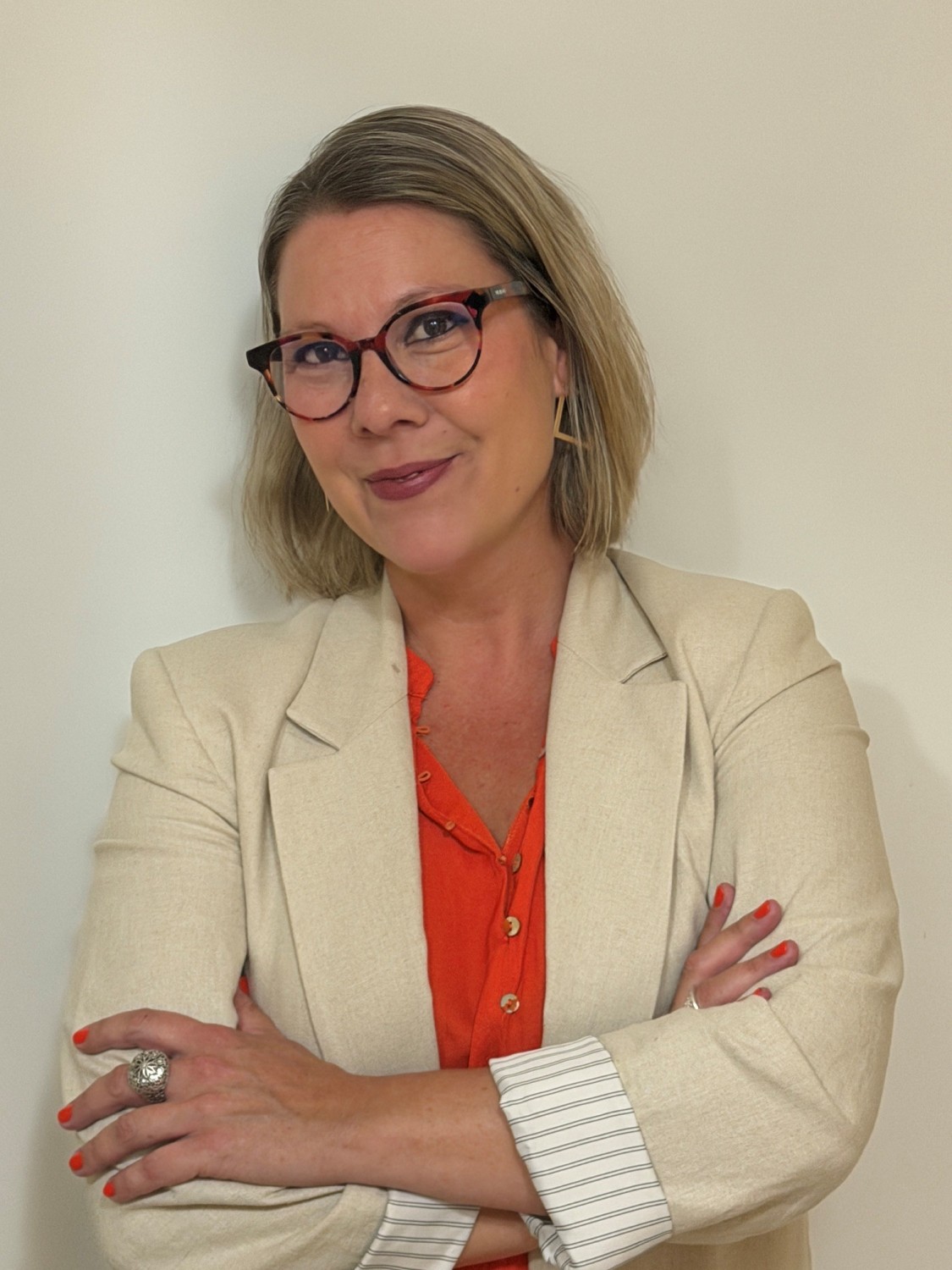
Your role sits within EPC engineering, procurement, and construction. What does environmental coordination mean at that stage of a project?
My role is to ensure every construction project meets its environmental requirements while keeping impact to a minimum, with environmental criteria embedded in every decision along the way.
That means working with all project teams on preventive measures, waste management, emissions and biodiversity protection, while anticipating risks before they become problems and keeping communication clear across all stakeholders.
In short: build to commitments, not just to regulations.
What is the most challenging part of the job and what is the most rewarding?
The hardest part is integrating environmental requirements when deadlines and costs are under pressure, and decisions need to be made fast.
Finding solutions that protect the environment without slowing the project down is the constant challenge. Add in coordination across contractors, engineers, site management and administration, and the need to react quickly when the unexpected happens on site, and it keeps you sharp.
The most rewarding part is seeing how that integration really works: when a project is delivered aligned with environmental commitments, minimising impacts and delivering improvements to the local environment (for example, promoting biodiversity or restoring degraded areas). It is also very satisfying to see that environmental awareness takes root among the site teams and that good practices become part of the project’s culture.
What do you wish people in general understood better about environmental work in construction?
Environmental work in construction is not about compliance. It is about protecting the ecosystems that surround what we build. Energy generation is necessary. Damaging the land, it sits on is not.
Every measure, from adjusting a design to protecting a species, follows the same logic: what we build must be compatible with the natural world it occupies.
Nature operates on its own timescales. Adapting to them is not inefficiency. Ignoring them can have consequences that outlast any project.
The environmental aspect, properly understood, provides a long-term vision: building today without compromising tomorrow’s environment. And when all stakeholders share this approach, projects not only succeed, but do so in a more coherent, responsible and sustainable way.
“Environmental work is not a constraint. It is a way of ensuring that the energy transition is compatible with the conservation of the world it passes through.”
Getting the energy transition right means more than building capacity. It means doing so in a way that respects the land, the water and the communities that surround every project.
The Zelestra environmental team are the people making that real. Through daily decisions and rigorous practice. Through a genuine commitment to the places, they work in.
That is what responsible renewable energy looks like. And it is what we are building, project by project, site by site, person by person.
Follow Zelestra on LinkedIn for the next edition of Shaping the Future.
Discover more related initiatives